


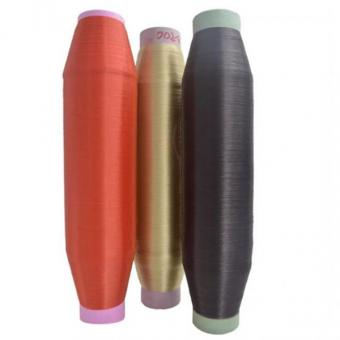
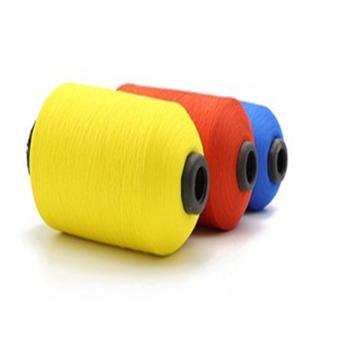
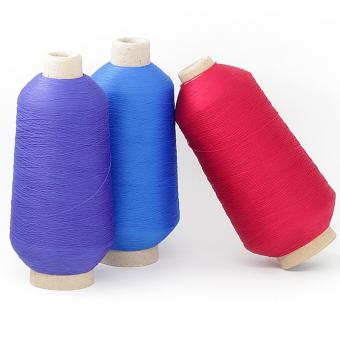
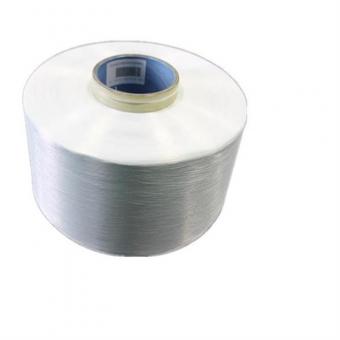
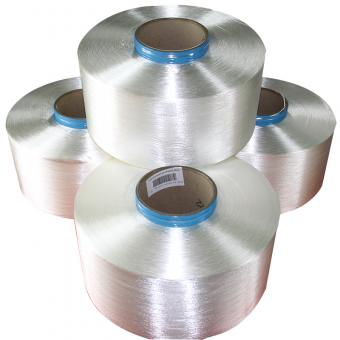
“Acetate-like hollow” typically refers to acetate-like air-layered fabrics or fibers/fabrics with an acetate-like hollow structure. These fabrics combine the texture of “acetate-like” materials with the functional properties of a “hollow” structure and are widely used in the apparel and textile industries.
Acetate-like fabric with an air layer: By combining acetate-like fabric with an air layer structure through knitting or lamination processes (such as double-layer laminated knitting), a “sandwich-style” or “hollow-core” composite fabric is formed. This is commonly found in knitted fabrics and some woven fabrics.
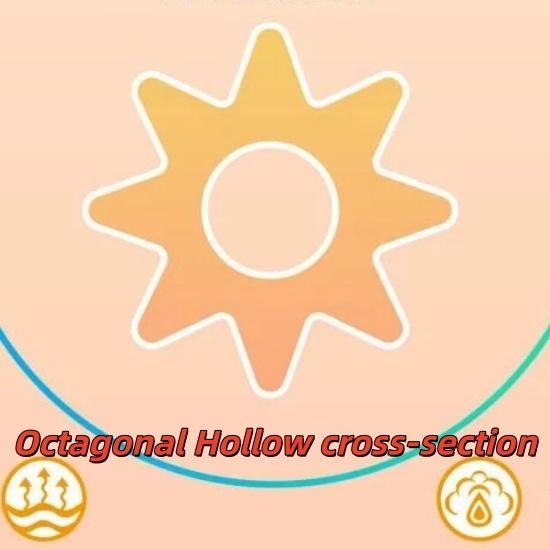
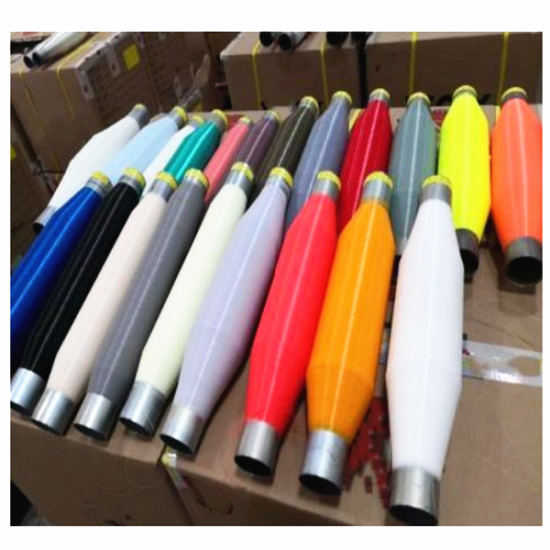
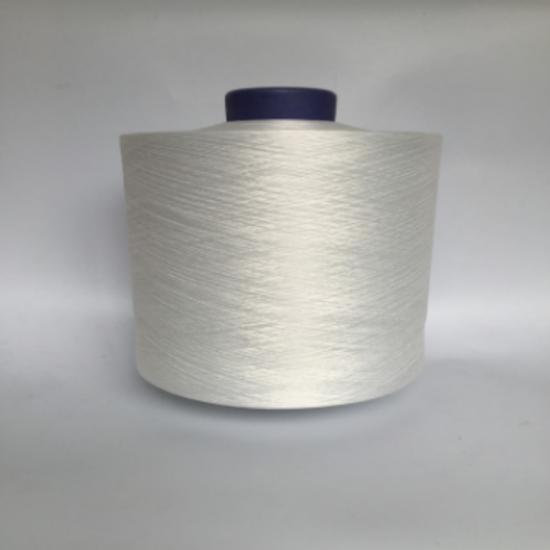
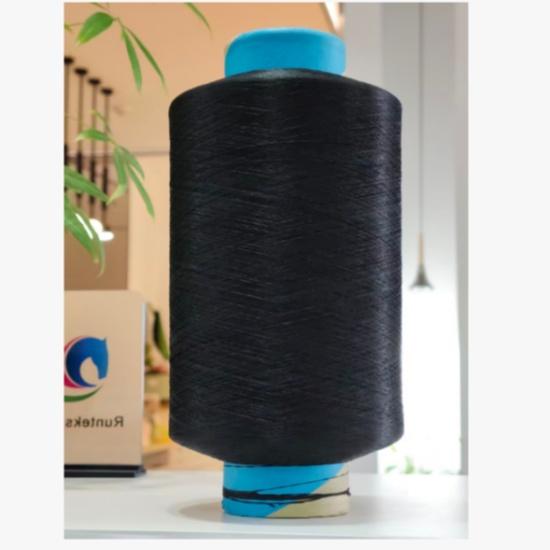
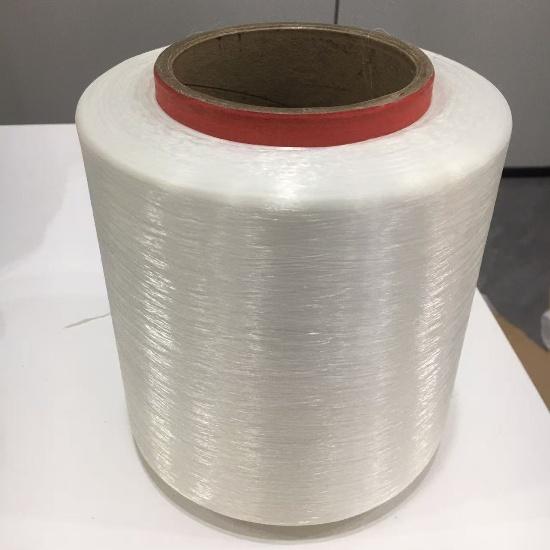
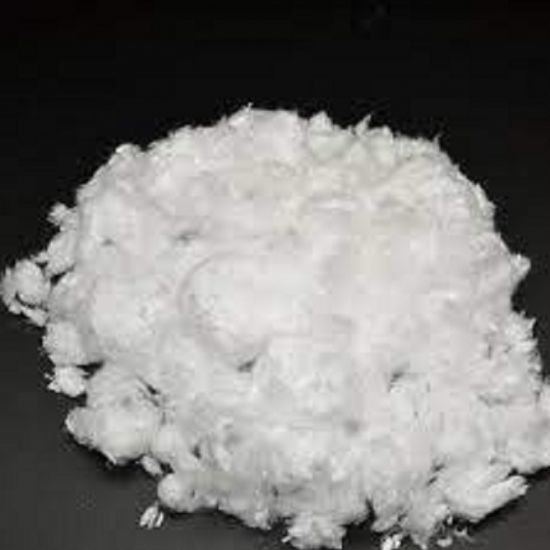
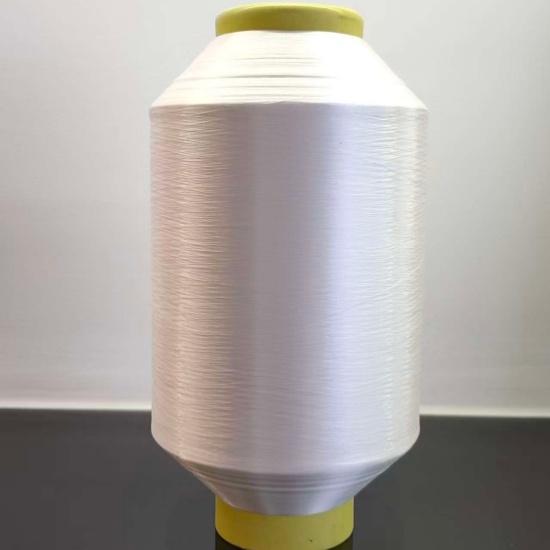
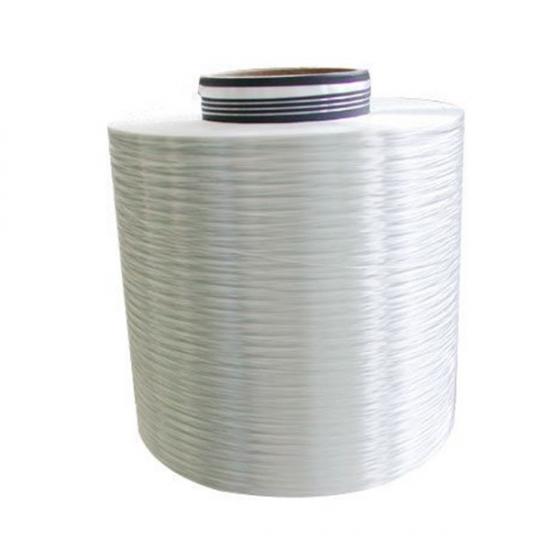
Acetate-like hollow fibers: Acetate-like polyester fibers produced through special spinning processes (such as an eight-lobed hollow structure) that utilize the hollow structure to achieve lightweight properties and moisture-wicking and quick-drying effects.
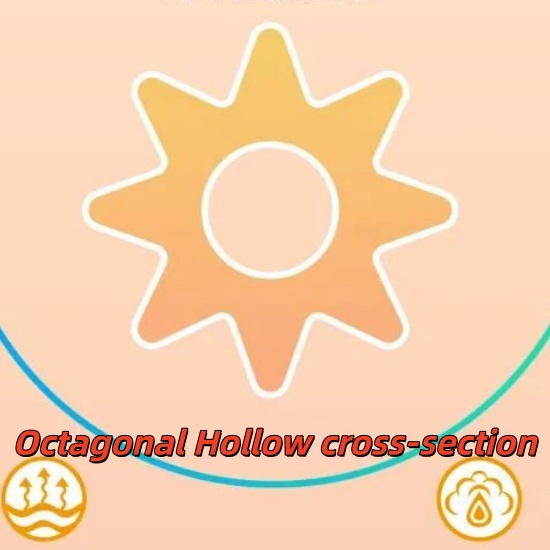
Blended Structure: Typically composed primarily of polyester (which provides a stable base and stiffness) and spandex (which provides elasticity and softness), some fabrics incorporate fibers such as cotton and viscose to enhance breathability.
Breathable and Moisture-Wicking: The hollow-core structure enhances the fabric’s breathability, and certain hollow-fiber designs (such as the eight-leaf hollow-core) also offer excellent moisture-wicking and quick-drying properties.
Structured and Drapeable: The hollow-core structure, combined with a tight weave, gives the fabric a certain amount of body and a structured silhouette while maintaining softness, resulting in excellent drape.
Luxurious Texture: An acetate-like finish enhances the fabric’s surface smoothness, giving it the soft luster and delicate texture typical of acetate fabrics, creating a look of understated luxury.





 IPv6 network supported