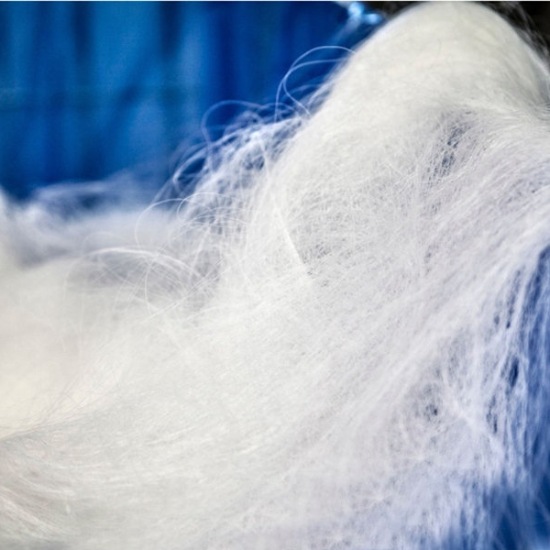
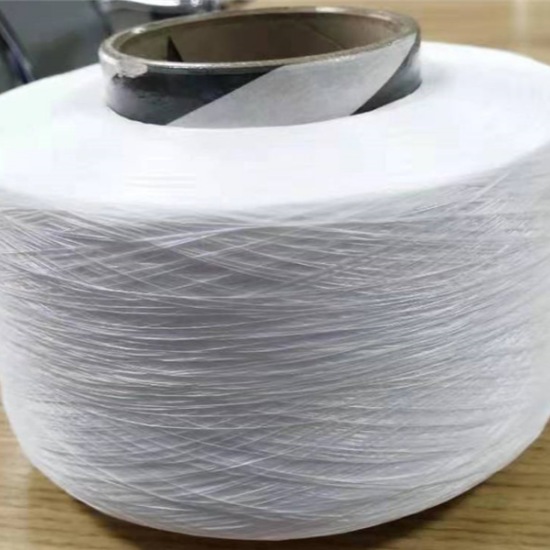
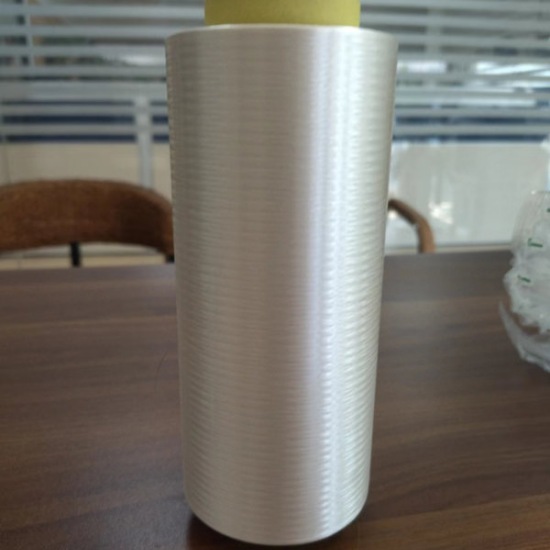
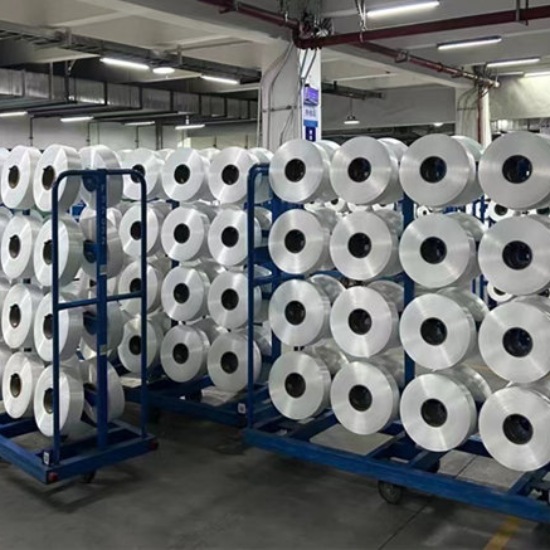
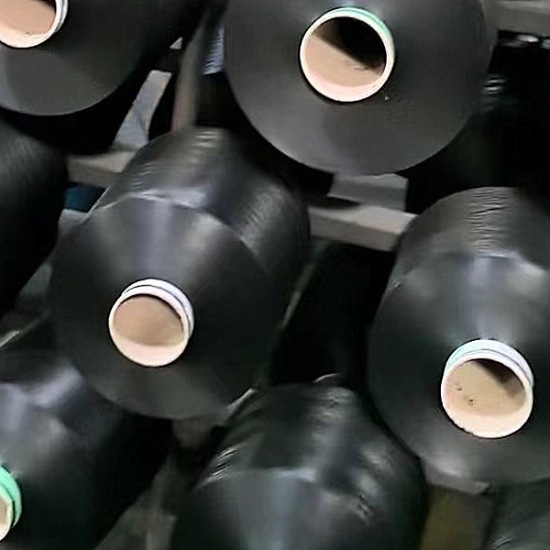
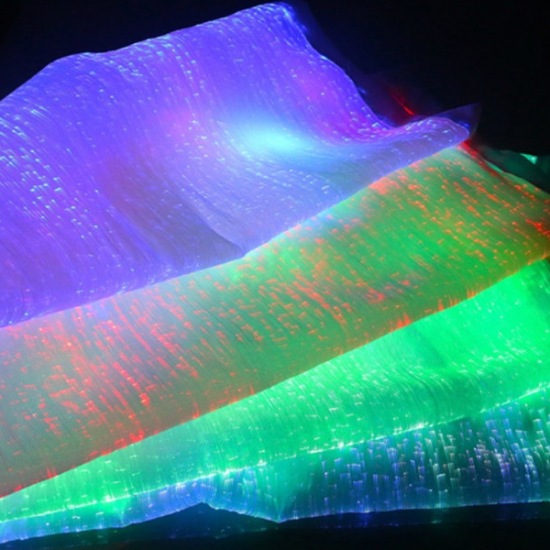
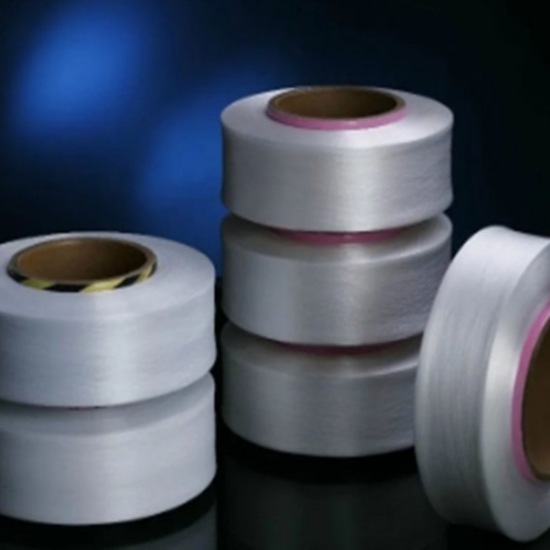
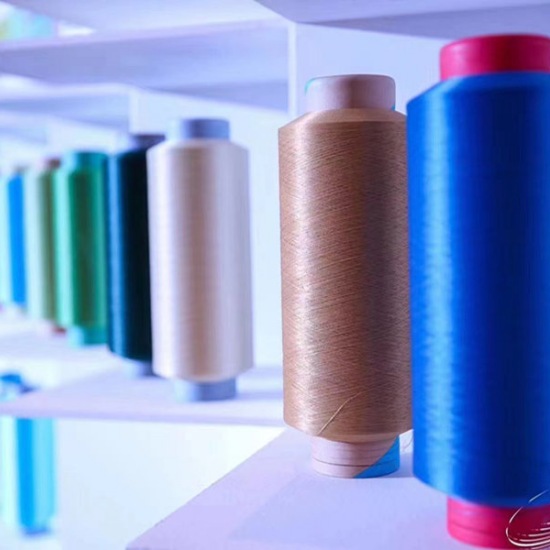



Hollow antimicrobial polyester fibers offer a number of superior performance features. It not only inherits the excellent properties of natural fibers, but also has the excellent physical properties of synthetic fibers. This fiber can be blended with natural and synthetic fibers to create fabrics with excellent stability, wrinkle resistance, breathability, moisture permeability, drape and stretch....
MVS is an abbreviation in the textile industry that stands for "Murata Vortex Spinning". MVS is a textile process used to make fibers and undergarments. This technology was first developed by Japan's Murata Machinery Co., Ltd. and began commercial application in the 1980s. The characteristic of MVS textile process is to create mainstream by spinning yarn in high-speed rotating air flow. Thi...
Modal is a cellulose regenerated fiber with high wet modulus viscose fiber developed by the Austrian company Lenzing. The raw material of this fiber is European beech wood, which is first made into wood pulp and then spun through a special spinning process. Processed into fiber... The raw material of this product is a kind of cellulose fiber, so it is a cellulose fiber like cotton and is a pure na...
1. Warping machine: It is a device used to roll a disk of yarn neatly onto a large drum. 2. Sizing machine: It is used to sizing the whole yarn to prevent the yarn from being worn out in the weaving process. 3. Parallel shaft machine: It is used to merge yarns from several tubes onto one tube in order to achieve the required number of warp yarns. 4. Twisting machine: a machine for twisting yarns, ...
The future outlook for the textile industry is highly promising. While the industry has faced several challenges in recent decades, such as rising labor costs, increasing environmental pressures, and changing consumer demands, it is currently undergoing a revolutionary transformation driven by technological advancements and innovation. Here are some key trends and prospects for the future developm...
Sea-Island fiber, also known as synthetic silk, is a special type of textile fiber. It is made by blending natural silk with synthetic fibers using the process of Sea-Island fiber spinning. Here is a detailed description of Sea-Island fiber: 1. Raw Materials: Sea-Island fiber is typically composed of two different types of fibers, namely natural silk and synthetic fibers (usually polyester fibers)...
From the perspective of textile processing technology, the longer the fiber length, the better the processing performance, and the relationship between fiber length and yarn quality is also very close. Under the same conditions, the longer the fiber and the better the length uniformity, the higher the yarn strength. This is because in the process of stretching the yarn to breakage, the cohesion be...
China has become one of the leading textile and fabric producing countries in the world. There are numerous reasons why people choose China fabrics for their clothing, bedding, and other textile needs. Firstly, China has a long history of textile production and has honed its skills and techniques over the years. This has resulted in the production of high-quality fabrics that are both durable and ...
Siro spinning, also known as doubling and twisting spinning, is called A/B yarn in China, and later officially called Siro spinning. Siro spinning is to feed two rovings on the spinning frame, and two roving slivers with a certain distance in parallel are drawn by rollers in the spinning drafting area, and then two small triangular areas are formed at the front roller nip, and then they are gather...