Chemical Fiber And Regular yarn Supply Tightens: Lock Orders Early
—To Customers Planning Next-Quarter Procurement: Reassess Your Ordering Pace
The fourth quarter of 2026 has not yet fully unfolded, but the supply side of the chemical fiber and textile chain is already showing a synchronized tightening that deserves close attention. On one end, the spillover from the Trump administration’s pressure on Iran is being transmitted level by level from crude oil and naphtha to aromatics and polyester raw materials. On the other end, Chinese chemical fiber and textile factories, under the dual pressure of costs and orders, are increasingly cutting output and shutting down ahead of schedule. The result of these two lines converging is that next-quarter supply elasticity may be tighter than most buyers currently expect—and the upside risks to prices and lead times are tilting in favor of those who place orders early.
I. Trump on Iran: Sanctions Are Being Talked About, but They Have Never Gone Away
The current U.S.-Iran situation is in a fraught state of “negotiations advancing in parallel with sanctions.” On October 8, the United States imposed a new round of sanctions on Iranian oil transport vessels; at the same time, Washington is still discussing the possibility of lifting some sanctions on the “shadow fleet” to reduce freight costs. This “talk while pressing” pattern means the geopolitical risk premium will not systematically dissipate simply because of negotiation signals.
II. Chinese Chemical Fiber and Textile Factories: Output Cuts Are Not an “Expectation” but an Ongoing Fact
Resonating with the geopolitical disruptions is a proactive contraction on the domestic supply side. As of October 22, loom utilization in Jiangsu and Zhejiang was only 53%, and texturing machine utilization was 64%, both at low levels year on year; the comprehensive polyester operating rate fell to 74%, significantly below the same period in previous years. Weekly data from Longzhong Information further confirmed this trend: in the week of October 16–22, the comprehensive operating rate of chemical fiber weaving in Jiangsu and Zhejiang was 51.38%, continuing to decline from the previous period.
Some small and medium-sized weaving enterprises began shutting down before the National Day holiday. On the eve of the holiday, the comprehensive texturing operating rate in Jiangsu and Zhejiang fell to 57%, and the comprehensive loom operating rate fell to 54%, with some small and medium-sized weaving enterprises shutting down ahead of schedule for rest. This is not a short-term holiday factor but a continuation of the industry’s “flexible production control” logic since 2026. As early as August, the comprehensive operating rate of chemical fiber weaving in Jiangsu and Zhejiang was once in the 51%–52% range, more than 10 percentage points lower than the 62%–68% level in the same period in previous years. Many factories cut one-third of their capacity directly from full production. Enterprises compressed output through rotating machine start-ups and shutdowns, switching from three shifts to two, staggered leave, and early maintenance. The core aim was to avoid inventory buildup and cash-flow drain amid high raw-material volatility and insufficient orders.
This means that the current low operating rates are not simply a “weak demand—factories passively cutting loads” story; they also reflect factories actively choosing to run fewer machines. Once end-user orders show a seasonal recovery or concentrated restocking in the next quarter, the supply-side response will be markedly slower than in the past—machines can be restarted, but capacity that was shut early, worker schedules that were cut, and raw-material inventories that were drawn down will not be replenished quickly.
Our Recommendation: Make “Early Order-Locking” the Baseline Scenario for Next-Quarter Procurement Strategy
For independent-site clients and long-term procurement partners, this is a window that deserves serious attention for adjusting ordering pace. Specifically:
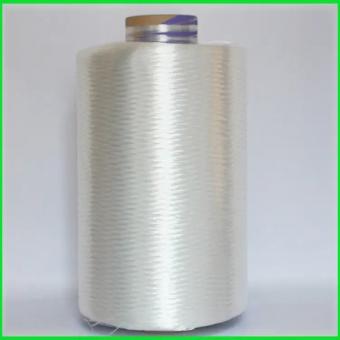
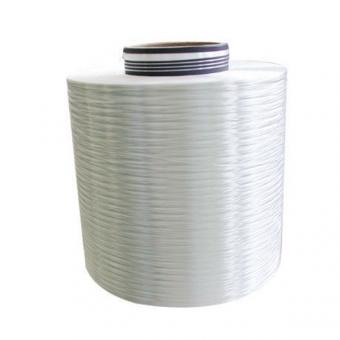
Prioritize forward orders for core products and standard specifications. Polyester filament yarn and PTA-downstream fabrics and yarns are most directly affected by both the raw-material side and factory output cuts. For products with confirmed volume requirements next quarter, we recommend moving procurement timing forward—at current relatively manageable processing-fee levels and factories’ remaining willingness to accept orders—to lock in supply volume and delivery dates rather than waiting for further raw-material price corrections.
Put delivery confirmation before price comparison. In an environment of proactive supply contraction, price differences among factories for the same specification increasingly reflect differences in scheduling capacity and raw-material inventory rather than simple cost differences. For suppliers that can make clear delivery commitments, the “certainty premium” embedded in their quotes should be weighted in procurement decisions.
Maintain higher safety-stock thresholds for long-cycle products. Raw-material stocking cycles and finished-goods lead times in the chemical fiber and textile chain are being lengthened by geopolitical disruptions. For orders with long shipping cycles or dependence on specific specifications, moderately raising the safety margin for in-transit and on-hand inventory is a reasonable cost of hedging supply-side uncertainty.





 IPv6 network supported