As the negotiations between the United States and Iran in Islamabad ended without success on April 12th, US President Trump immediately announced that the US Navy would impose a maritime blockade on the Strait of Hormuz to prevent any ships from entering or leaving the strait. The Iranian military also responded forcefully, declaring that the strait was under complete control. This escalation of the situation means that about one-fifth of the global maritime oil transportation and a large amount of raw material trade will face a serious risk of disruption.
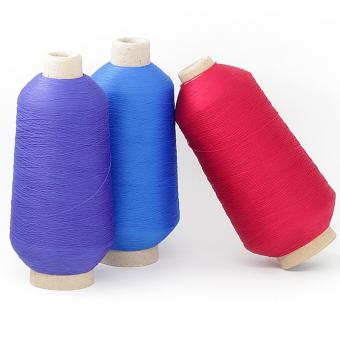
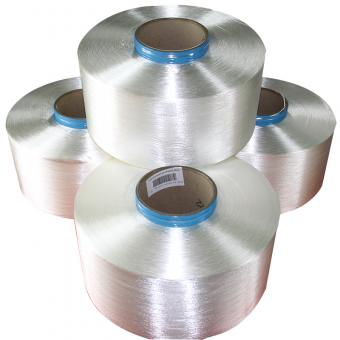
As the textile industry is highly dependent on petroleum and chemical raw materials, it is the first to be affected. The prices of chemical fiber raw materials such as polyester fibers, nylon, and acrylic are rising rapidly along with the soaring international oil prices. The panic over supply chain disruptions has begun to spread across the global textile market. Some textile enterprises have suffered the painful lesson of having 9 containers stranded in the Arabian Gulf and being forced to pay war surcharges. .
How significant is the impact? Shipping costs have skyrocketed, raw materials have risen, and the delivery of yarn is in doubt.
The blockade of the Strait of Hormuz has led to the suspension or adjustment of Middle East routes by major shipping companies such as Maersk, resulting in a weekly increase of over 70% in the Persian Gulf route of the Shanghai Export Container Freight Index (SCFI). Although alternative routes around the Cape of Good Hope can ensure safety, they will increase the transportation time by at least 10 to 14 days, and combined with the rising fuel costs, the overall logistics costs have sharply increased.
Direct price increase of chemical fiber raw materials: The costs of synthetic fibers such as polyester fibers have risen in tandem with the price of crude oil.
Order delivery delay risk: If the shipping schedule cannot be guaranteed, the garment orders may be delayed by several weeks or even several months.
?? RUNTEKS latest announcement: We have already secured alternative shipping routes in advance, ensuring the delivery date is safe and worry-free.
In the face of the global supply chain crisis caused by the of the Strait of Hormuz, we have taken the lead in activating the emergency plan to ensure that every order can be delivered on time, safely and efficiently.
After conducting a comprehensive risk assessment of all existing and potential orders from http://www.runteks.com we have jointly formulated multiple logistics contingency plans with our partners:
Alternative Option 1 - Land Transport Scheme from Jeddah Port: The goods will first arrive at Jeddah Port on the Red Sea coast via normal shipping, and then be safely transported via land to the Gulf region. This option can minimize the exposure to the high-risk areas of the Strait of Hormuz to the greatest extent.
Alternative Option 2 - Cape of Good Hope Route: The ships will take a detour via the Cape of Good Hope, avoiding the Strait of Hormuz and the high-risk areas of the Red Sea. Although the transportation time will be extended, the safety is guaranteed, and we have already secured the shipping space in advance, thus not affecting the normal schedule.
Option 3 - Alternative Freight Forwarding Resource Pool: We have already secured shipping space with several top international freight forwarding companies, enabling us to quickly switch transportation channels in case of any emergencies. All the existing orders of our company will be shipped according to the original schedule, unaffected by the situation in the Hormuz Strait.
For each order, we provide a "delivery schedule report" to keep customers informed of the shipping schedule and the progress of arrival at the port at all times.
All the goods have been purchased with war additional insurance and full freight insurance in advance, providing comprehensive coverage for risks in the Hormuz region.
"In an era of supply chain instability, choosing reliable partners is more crucial than opting for the lowest price."





 IPv6 network supported